

In her timely Op-Ed, Reverend Wanda Johnson reflects on the enduring vision of Dr. Martin Luther King Jr.’s “Beloved Community” and its relevance in today’s fight against systemic racism and police violence.
By Reverend Wanda Johnson
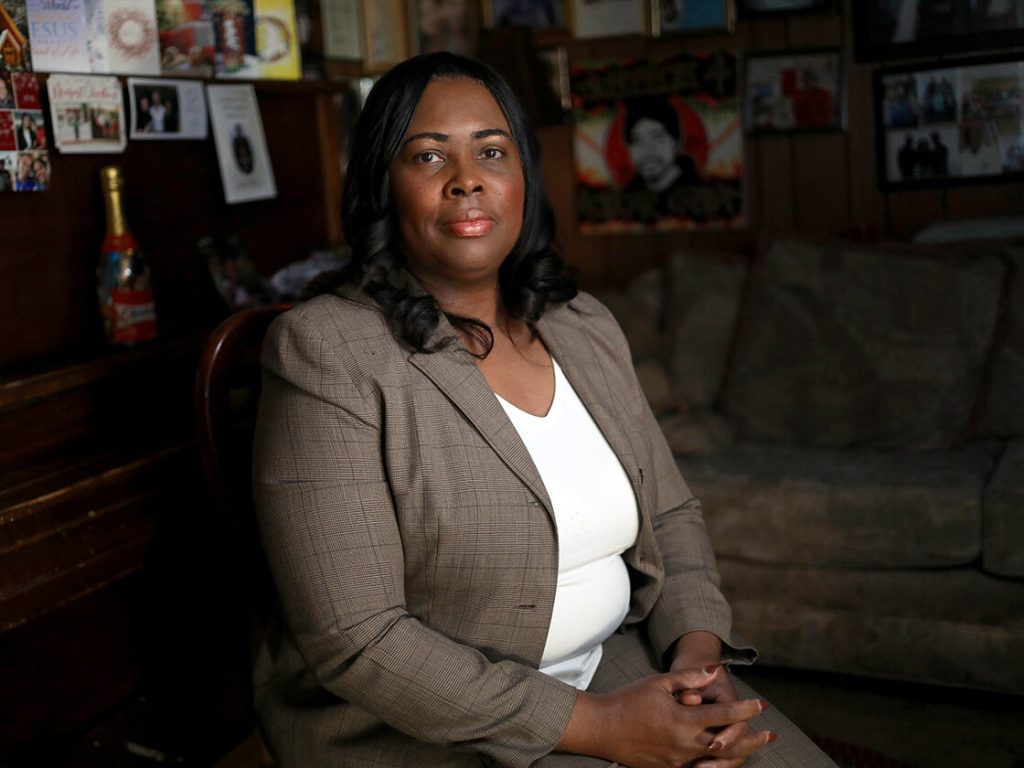
photo courtesy of the Oscar Grant Foundation
When I gather with other Black mothers who’ve lost their children to police brutality, the room is heavy with grief—but also alive with purpose. In sharing our pain, stories, and determination, we’ve found solace and strength—a strength that transforms loss into action and builds something bigger than ourselves: community, healing, and hope.
As Martin Luther King Jr. Day approaches, we reflect on his vision of a “Beloved Community”—a world where justice, equality, and love prevail. For mothers like us, who have endured the crushing weight of systemic racism and state violence, that vision often feels heartbreakingly out of reach.
This year, the day carries even sharper resonance as the nation observes Martin Luther King Jr. Day alongside the inauguration of a president whose legacy starkly contrasts with Dr. King’s dream. The juxtaposition reminds us of how far we still have to go, but it also fuels our resolve to push forward.
Dr. King’s belief that “true peace is not merely the absence of tension; it is the presence of justice” underpins our work. Through mutual aid, community support, and healing practices, we are not waiting for justice to arrive—we are building it ourselves.
Dr. King’s vision of the Beloved Community was not just an aspirational dream; it was a practical blueprint for dismantling systemic oppression by addressing its roots—poverty, racism, and violence. He called for nonviolence and organized resistance to create systems rooted in equity and humanity.
As mothers who have lost our children to police violence, we see our work as a continuation of his legacy. Dr. King understood that state violence against one person is violence against the collective soul of a community. He called on us to confront these injustices with radical love and unyielding action.
The work highlighted in our For Our Children documentary reflects these principles. We organize mutual aid networks, create spaces for collective healing, and fight for policy change—not out of vengeance, but to ensure no other mother endures what we have. These efforts embody Dr. King’s dream: justice achieved through love, and transformation born from collective power.
When my son, Oscar Grant, was killed by a police officer in 2009, I entered a nightmare I had long feared. Oscar was unarmed, lying face down when he was shot. His death was a devastating reminder of how systemic racism devalues Black lives, turning routine encounters into fatal ones. Tragically, my story is not unique. Black Americans are more than twice as likely as White Americans to be killed by police. Despite years of protests and promises of reform, systemic racism persists.
The Trump administration dismantled oversight mechanisms such as consent decrees designed to monitor police departments with histories of misconduct, promoted divisive rhetoric that emboldened white supremacy, and weakened policies meant to protect communities of color, including rolling back fair housing protections and limiting the scope of civil rights investigations.
The toll is immense. Families like mine bear the emotional weight of grief with little support. Communities are left fractured, trapped in cycles of mistrust and trauma. These are not isolated incidents but symptoms of systems built to perpetuate inequality. The cost is measured in lives lost, dreams deferred, and justice denied.
After losing my son, I realized healing couldn’t happen in isolation. I joined other mothers to create spaces where we could grieve and rebuild together.
Our healing retreats offer sacred spaces to share our stories, practice self-care, and build the resilience needed to keep fighting. Advocacy workshops teach families to navigate legal systems, speak to the media, and mobilize their communities. Mutual aid programs provide resources for families during trials or fund memorials.
These grassroots efforts are acts of resistance. They reject punitive systems that dehumanize and instead envision justice rooted in care, love, and accountability. In building these networks, we live Dr. King’s dream: creating a community where justice heals, not destroys.
True justice requires more than words or symbolic gestures—it demands action. While grassroots efforts provide critical relief, systemic change must come from both the top down and the bottom up.
Families impacted by police violence are not just victims of individual tragedies; we are casualties of entrenched systems of oppression. These systems will not change without bold, meaningful steps. Comprehensive police reform must include banning chokeholds and no-knock warrants, establishing independent oversight bodies with real enforcement power, and reallocating funding toward mental health crisis intervention teams.
What’s more, community investment is essential to address root causes of inequality—this means funding schools, healthcare, affordable housing, and job training programs in under-resourced neighborhoods. Reparations are necessary to acknowledge and rectify the generational harm caused by systemic racism, from police violence to discriminatory policies in housing, employment, and education.
And we must end the militarization of law enforcement by halting the transfer of military-grade weapons and equipment to local police departments, shifting the focus from aggression to community-based approaches to safety and trust.
Too often, leaders offer performative gestures—statements of solidarity, task forces with no results, or watered-down legislation. This is not enough. Systemic change requires centering the voices of those most impacted. Families like mine and mothers across the country who refuse to let their pain define their stories hold the clearest blueprint for building a just society—one rooted in lived experience, pain, and hard-earned wisdom.
As we honor Dr. King this year, let us do so with deeds, not just words. Let us commit to justice that heals and uplifts, and bold actions that transform systems of oppression into pathways of hope. True justice is how we honor Dr. King’s legacy—and it’s the only way to build the Beloved Community he dreamed of.
—
Watch For Our Children on Netflix—a powerful documentary showcasing two Black mothers, including Reverend Wanda Johnson, uniting for justice, healing, and change after their sons were brutalized by police. Inspired? Book Reverend Wanda Johnson as a speaker to share her story and ignite action by visiting peaceisloud.org/host-a-speaker.


